Hedging & Shelter Plants NZ
A good hedge does more than mark a boundary. The right hedging plants can provide privacy, reduce wind, block out unwanted views, create shelter for your garden, dampen road noise, and add structure that looks fantastic all year round.
Whether you're looking to create a formal box hedge, establish a dense privacy screen, shelter your property from Canterbury's notorious nor'west winds, or simply define different areas within your garden, choosing the right plants is the key to success.
At CJ's Plant Farm, we grow a wide range of hedging and shelter plants suited to New Zealand conditions. From compact evergreen hedges perfect for lining pathways and garden beds, through to fast-growing shelter trees capable of creating privacy and wind protection in just a few years, you'll find a solution for almost every situation.
The most important question isn't which hedge is best – it's what job you need your hedge to do.
Why Plant a Hedge?
Hedges have been used in gardens for centuries because they offer practical benefits while looking far more attractive than many fences or walls.
A well-chosen hedge can:
- Create privacy from neighbours
- Reduce wind exposure
- Screen out unsightly views
- Define property boundaries
- Create garden rooms
- Reduce road noise
- Provide habitat for birds
- Increase property appeal
- Add year-round structure to the landscape
Unlike fences, hedges soften the landscape and become more attractive as they mature. They also provide valuable shelter that can improve growing conditions for other plants throughout your garden.
Choosing the Right Hedging Plant
One of the most common mistakes gardeners make is choosing a hedge based solely on appearance.
Before selecting a plant, consider:
Height
How tall do you want your finished hedge to be?
A formal hedge around a rose garden may only need to be 50cm high, while a privacy screen between neighbours may require 2 metres or more. Some hedging plants naturally stay compact, while others can eventually become small trees if left untrimmed.
Growth Rate
Fast-growing hedges provide quicker results but usually require more maintenance. Slower-growing hedges often need less trimming but require more patience during establishment.
Maintenance
Some hedges thrive on regular clipping and can be shaped into neat formal forms. Others look best with occasional trimming and a more natural appearance.
Site Conditions
Consider:
- Sun or shade
- Wind exposure
- Frost
- Soil type
- Drainage
- Coastal conditions
Matching the plant to the site will result in a healthier hedge and significantly less maintenance.
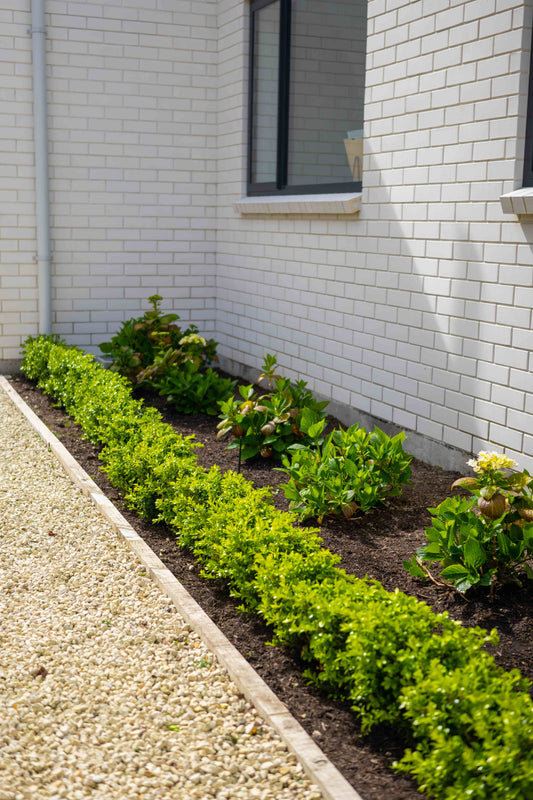
Small hedges create structure and definition throughout the garden. They are commonly used to edge pathways, frame rose gardens, surround perennial beds, and create neat borders.
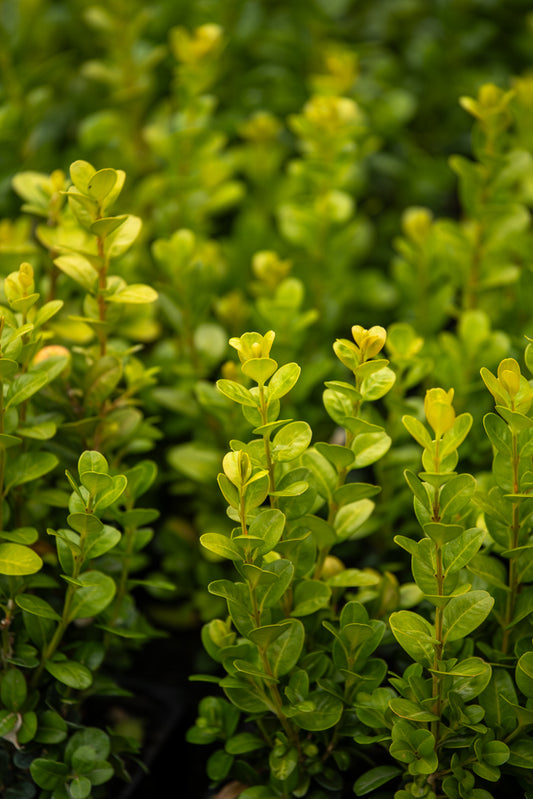
Buxus remains one of the most popular formal hedging plants in New Zealand. Its dense growth habit and small leaves make it ideal for clipping into precise shapes and tidy borders. When regularly trimmed, Buxus creates a classic formal appearance that suits both traditional and modern gardens.
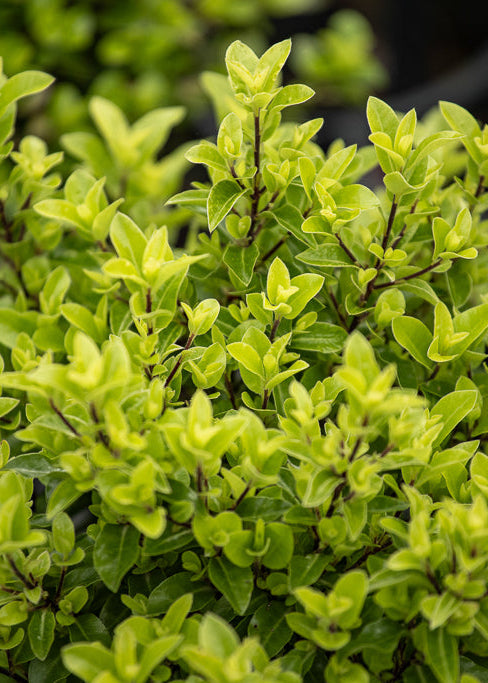
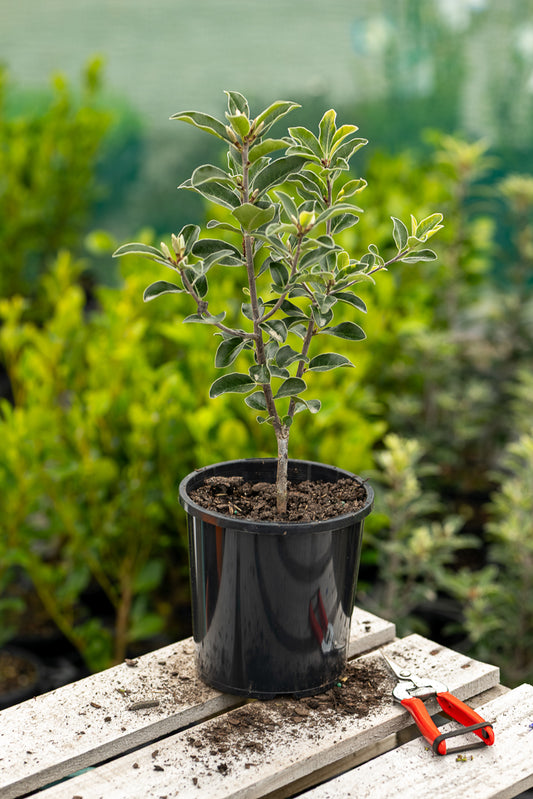
Euonymus has become increasingly popular as an alternative to traditional box hedging. It responds extremely well to clipping, grows quickly, and produces a dense evergreen hedge with excellent year-round colour. For many gardeners, Euonymus offers a fast-growing and hardy solution for creating neat low hedges.
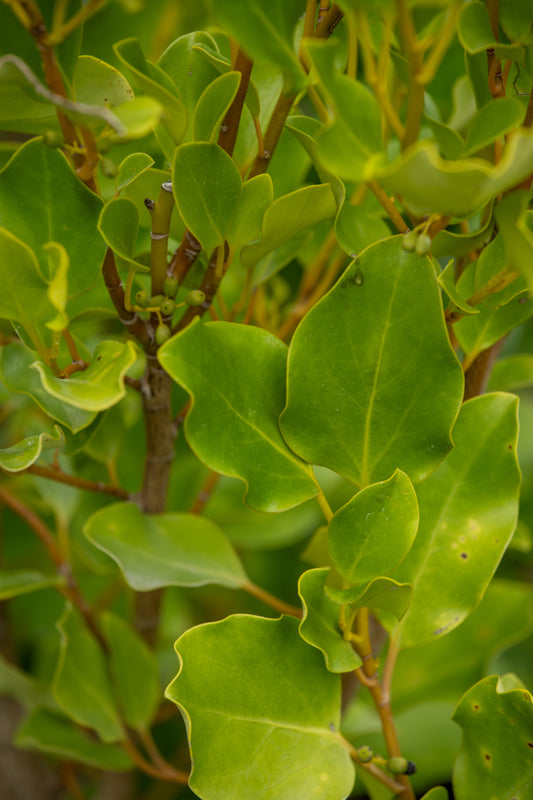
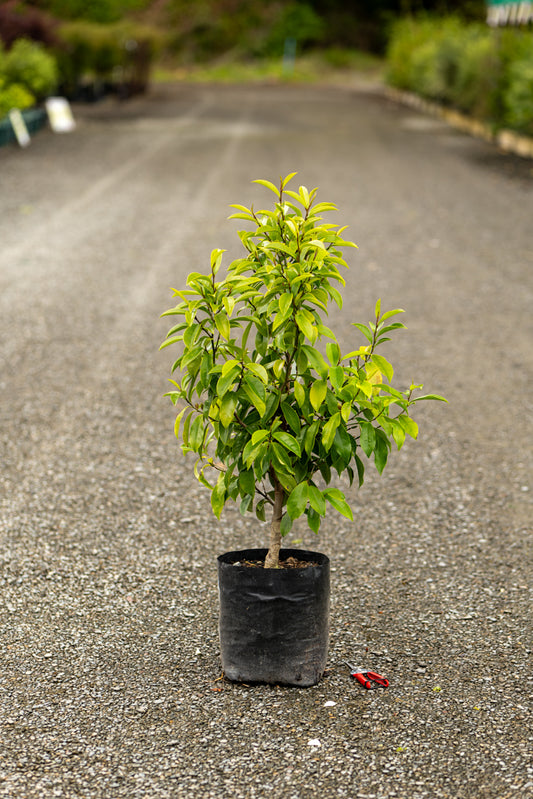
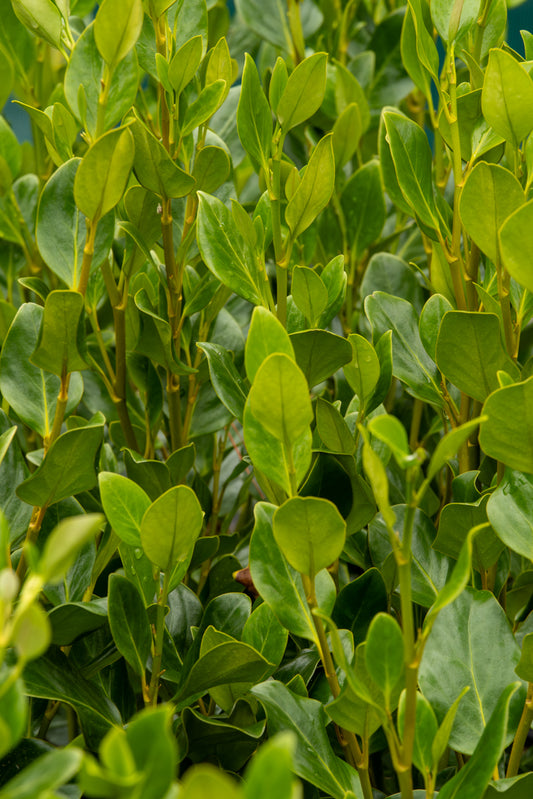
Griselinia is one of New Zealand's most popular hedging plants and for good reason. Its glossy green foliage creates a dense evergreen screen that responds exceptionally well to trimming. Griselinia grows quickly, handles coastal conditions, tolerates wind, and is relatively low maintenance once established. For homeowners wanting privacy in a reasonable timeframe, Griselinia is often one of the first recommendations.
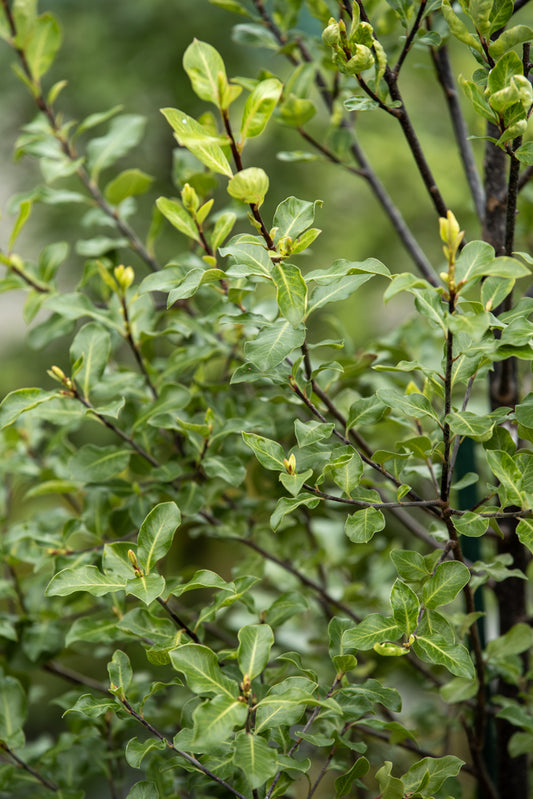
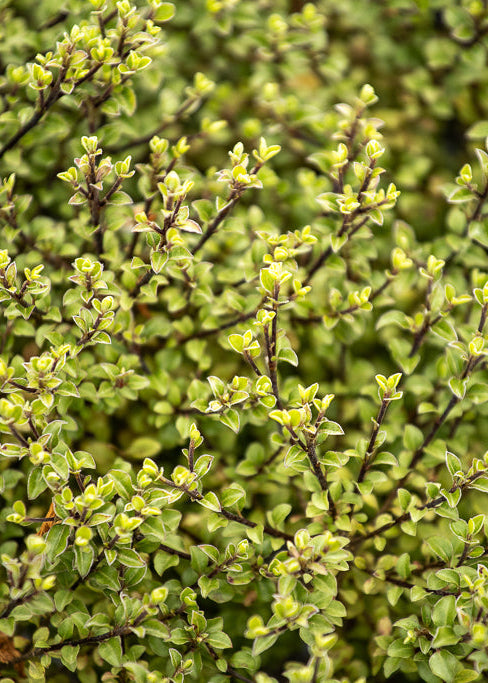
Pittosporums are another New Zealand favourite. Available in a wide range of leaf colours, sizes, and growth habits, they make excellent screening and hedging plants. Many varieties develop into dense evergreen hedges that provide excellent shelter while maintaining an attractive appearance throughout the year. They also tolerate coastal conditions, wind, and frost remarkably well.
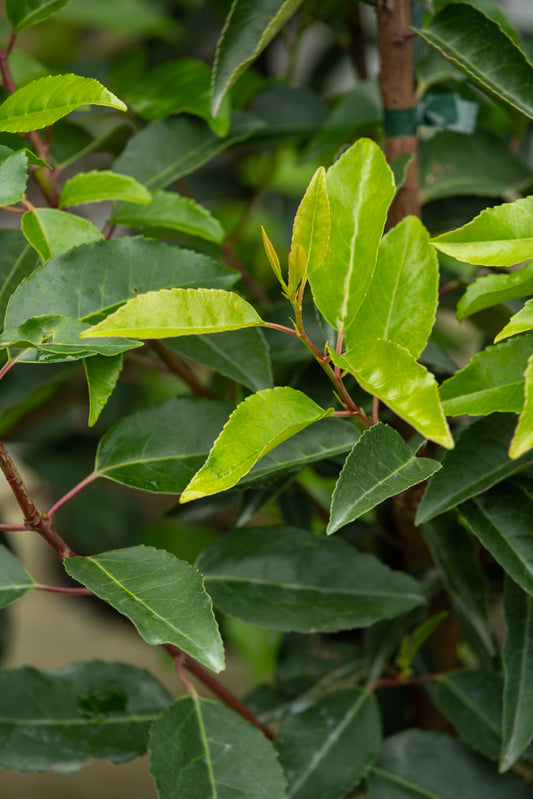
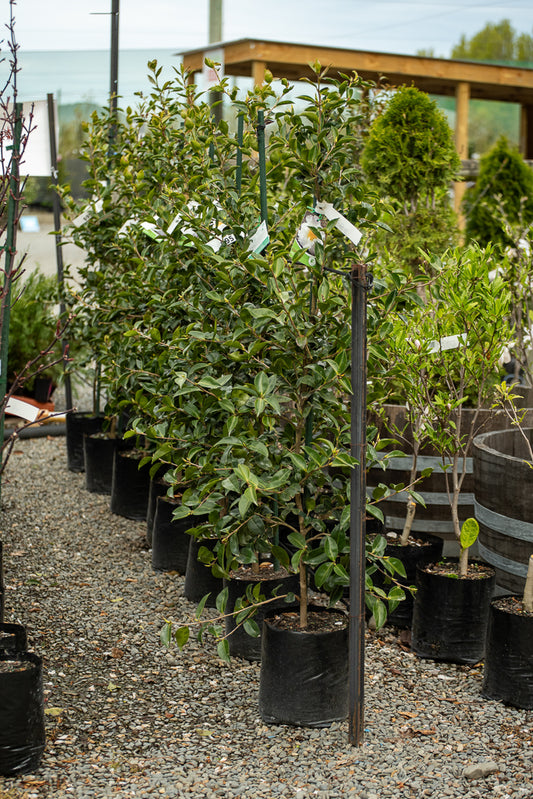
Portuguese Laurel has become increasingly popular for creating elegant formal hedges. Its dark green foliage, attractive red stems, and dense growth habit create a sophisticated hedge that works beautifully in both traditional and contemporary landscapes. It clips well and develops into an excellent privacy screen.
Sometimes you don't want a hedge. You want a green wall. Privacy screening plants are selected specifically for their ability to create dense coverage and block unwanted views. Whether you're screening a neighbouring property, hiding a shed, reducing road visibility, or creating a secluded outdoor living area, screening plants provide a natural solution. Many evergreen hedging plants perform double duty as privacy screens, particularly when allowed to grow slightly taller and more naturally.
The best screening plants combine rapid growth with dense foliage and year-round coverage.
Shelter Trees for Wind Protection
Living in New Zealand often means dealing with wind. In Canterbury, shelter isn't a luxury—it's often a necessity. A well-designed shelter belt can dramatically improve growing conditions throughout your property by reducing wind speed and protecting more sensitive plants.
Benefits of shelter planting include:
- Reduced plant damage
- Increased growth rates
- Improved flowering and fruiting
- Reduced moisture loss
- More comfortable outdoor spaces
- Improved livestock protection on rural properties
Strategically planted shelter trees can reduce wind speed across surprisingly large areas of the garden.
Evergreen Hedges for Year-Round Privacy
Evergreen hedges remain popular because they provide privacy and shelter throughout every season. Unlike deciduous options, evergreen plants retain their foliage year-round, ensuring your screening remains effective even during winter.
Popular evergreen hedging plants are particularly useful around outdoor entertaining areas, swimming pools, neighbouring boundaries, and road frontages where consistent screening is important.
Native Hedging Plants
New Zealand natives make outstanding hedges.Many have evolved under challenging conditions and tolerate wind, frost, coastal exposure, and poor soils better than many exotic alternatives.Native hedges also provide valuable habitat for birds and beneficial insects while helping create a distinctly New Zealand landscape.Plants such as Griselinia, Pittosporum, and various native shrubs can be used to create attractive, resilient hedges with excellent environmental benefits.
Coastal Hedging Plants
Gardening near the coast presents unique challenges. Salt-laden winds can quickly damage unsuitable plants, making species selection particularly important. Fortunately, many hedging plants perform exceptionally well in coastal environments. Griselinia is often regarded as one of the best coastal hedging plants available, while many Pittosporums also tolerate salt exposure and windy conditions extremely well.
Choosing coastal-tolerant plants ensures your hedge establishes faster and remains healthy long-term.
Planting a Successful Hedge
The success of any hedge begins at planting. One of the biggest mistakes gardeners make is planting too far apart. While wider spacing may seem economical initially, it often delays the formation of a dense hedge by several years.
Correct spacing depends on the variety selected, but as a general rule:
- Small hedges are planted closer together
- Faster-growing varieties can be spaced slightly wider
- Shelter belts often use staggered planting
- Screening hedges benefit from tighter spacing
Preparing the soil, watering during establishment, and applying mulch will all contribute to stronger growth and faster coverage.
Hedge Trimming Tips
Regular trimming encourages density. Every time a hedge is trimmed, multiple new shoots emerge below the cut, gradually creating a thicker and more attractive screen.
For most evergreen hedges:
- Light trimming little and often is best
- Avoid removing more than one-third of growth at a time
- Check for nesting birds before major trimming
- Shape hedges slightly wider at the base than the top
- Carry out major shaping in late winter or early spring
A hedge that is wider at the bottom allows sunlight to reach lower branches, maintaining foliage from top to bottom.
Long-Term Value
A hedge is one of the few garden investments that becomes more valuable every year. Unlike fences that deteriorate over time, a well-maintained hedge continues to improve, providing increasing privacy, shelter, and visual appeal as it matures.
Whether you're creating a formal garden border, screening out neighbours, protecting your property from wind, or establishing shelter for future plantings, the right hedge can transform your landscape.
Browse our range of hedging and shelter plants to find the perfect solution for your garden. From compact evergreen hedges and privacy screens through to fast-growing shelter trees, we grow plants suited to New Zealand conditions and designed to perform for years to come.

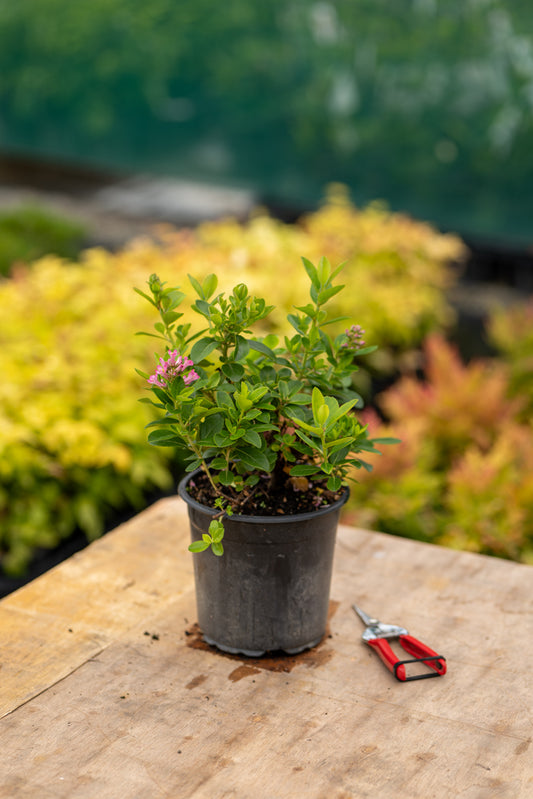 Sold out
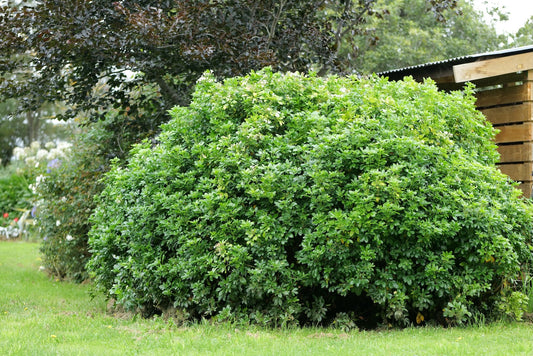 Sold out
 Sold out