Plants for Wet Feet & Heavy Clay Soils
Not every garden is blessed with free-draining soil. Some of us inherited a section where winter rain seems to linger for months, the lawn squelches underfoot, and every hole you dig quickly turns into a muddy puddle. If that sounds familiar, don't worry – you're not alone.
Poor drainage and heavy clay soils are among the most common gardening challenges in New Zealand. The good news is that while some plants hate having wet feet, others absolutely thrive in these conditions. Instead of battling nature, the easiest solution is often choosing plants that naturally enjoy moisture-rich soils.
Our collection of wet feet tolerant plants has been selected for gardeners dealing with heavy clay, seasonal flooding, low-lying areas, pond edges, rain gardens, and damp parts of the landscape where other plants struggle. These are plants that can handle conditions that would quickly send many popular garden favourites into decline.
What Does "Wet Feet" Mean?
When gardeners talk about plants having "wet feet," they're referring to roots sitting in saturated soil for extended periods.
Most plants need oxygen around their roots. In waterlogged soil, air spaces become filled with water, effectively suffocating the root system. This often leads to root rot, poor growth, yellowing foliage, and eventually plant death.
However, some plants have evolved to cope with these conditions. Many originate from wetlands, riverbanks, swamp forests, marshes, or areas that experience regular flooding. These species have adapted root systems that can tolerate lower oxygen levels and prolonged moisture.
If your property experiences any of the following, you'll likely benefit from selecting plants from this collection:
- Heavy clay soils
- Waterlogged garden beds
- Seasonal flooding
- Low-lying sections
- Pond margins
- Swales and rain gardens
- Areas where water sits after rain
- Difficult drainage around downpipes
- Damp corners of the garden
Understanding Heavy Clay Soils
Clay soils often get a bad reputation, but they're not all bad.
In fact, clay soils are naturally rich in nutrients and can hold moisture exceptionally well. The challenge comes from their tiny particle size, which slows drainage and can make the soil difficult to work with during wet periods.
During winter, clay can become saturated and sticky. During summer, it may bake hard and crack. This creates a challenging environment for many plants, particularly those that prefer dry conditions or sharp drainage.
Rather than constantly trying to improve large areas of clay soil, selecting suitable plants can dramatically reduce maintenance while improving success rates.
Many of New Zealand's toughest native plants evolved in difficult conditions and have no problem coping with heavier soils.
New Zealand Native Plants for Wet Areas
Some of the best performers in damp conditions are New Zealand natives.
Kahikatea
Kahikatea is New Zealand's tallest native tree and naturally grows in swamp forests throughout the country. In the wild, it is often found in permanently damp or flooded areas where many other trees simply cannot survive.
If you've got a wet paddock edge, low-lying section, or large damp area, Kahikatea is one of the ultimate wet-feet champions.
Harakeke or Phormium (New Zealand Flax)
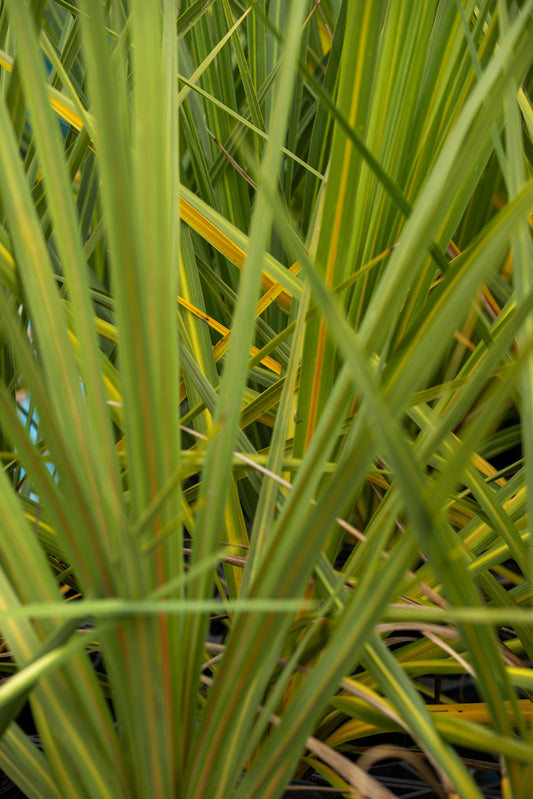
Few plants are as versatile as Harakeke. Found naturally throughout wetlands, riverbanks, and coastal environments, New Zealand Flax thrives in moist conditions and handles heavy soils exceptionally well.
Its bold architectural foliage provides year-round structure while requiring very little maintenance once established.
Many of our Phormium varieties inherit this toughness, making them excellent choices for difficult sites.
Mountain Flax
Mountain Flax is slightly more adaptable to varying conditions but still performs extremely well in moisture-retentive soils.
Its softer growth habit makes it a fantastic option for modern gardens where strong form and texture are important.
Cabbage Trees
Few plants scream "New Zealand landscape" quite like the Cabbage Tree.
Naturally found in wetlands and low-lying ground, they cope with damp conditions remarkably well while providing a strong vertical feature in the landscape.
They're also incredibly hardy, handling frost, wind, coastal exposure, and poor soils.
Carex and Native Sedges
Carex species are among the most useful plants for difficult wet sites.
They provide movement, texture, erosion control, and year-round interest while happily growing where many other plants fail.
They're particularly useful around ponds, rain gardens, and areas where drainage is poor.
Juncus Blue Dart – One of the Toughest Wet-Site Plants
If you're looking for a plant that genuinely enjoys wet conditions, Juncus Blue Dart is hard to beat.
This striking rush features upright blue-grey foliage that creates strong architectural interest throughout the year.
Unlike many ornamental grasses, Blue Dart is perfectly happy growing in heavy clay, damp soils, and even areas that experience occasional standing water.
It's a fantastic choice for modern landscapes, rain gardens, pond edges, and difficult low spots where other plants struggle.
The blue foliage also provides excellent contrast against green shrubs and flowering perennials.
Hydrangeas and Moisture Retentive Soils
Hydrangeas are often surprisingly successful in heavier soils.
While they don't like permanent flooding, they appreciate moisture-retentive ground that stays consistently damp through the growing season.
In fact, many hydrangeas perform better in heavier soils than in sandy soils that dry out quickly.
Their large flowers and lush foliage make them an excellent choice for areas that receive regular moisture but still drain slowly.
Plants That Hate Wet Feet
Knowing what not to plant can be just as important as knowing what will thrive.
Some popular garden plants prefer excellent drainage and may struggle or fail in heavy clay soils.
Plants that generally dislike wet feet include:
- Lavender
- Rosemary
- Gaura
- Many succulents
- Most Mediterranean herbs
- Cistus
- Rock roses
- Some grevilleas
These plants are often adapted to dry climates and can quickly suffer root rot when exposed to prolonged moisture.
If you're gardening in heavy clay, it's often best to avoid forcing these plants into unsuitable conditions.
Tips for Gardening in Wet Soils
Even when selecting suitable plants, a few simple techniques can improve success.
Plant Slightly Higher
When planting into heavy clay, position the root ball slightly above the surrounding soil level. This improves drainage around the crown and reduces the risk of rot.
Add Organic Matter
Compost and organic matter help improve soil structure over time, encouraging better drainage and healthier root growth.
Avoid Overwatering
Many gardeners continue watering despite naturally wet soils. Always check soil moisture before reaching for the hose.
Mulch Generously
Organic mulch helps regulate soil temperature, suppress weeds, and improve soil health over time.
Choose the Right Plant for the Right Place
The biggest secret to success is matching the plant to the site conditions.
Rather than fighting wet ground, embrace it by selecting species that naturally thrive there.
Turn a Problem Area into a Feature
Many gardeners view wet areas as a challenge, but they can become some of the most interesting parts of the landscape.
Moisture-loving plants often have dramatic foliage, unique textures, and strong architectural forms that create visual interest throughout the year.
A damp corner that once struggled to grow anything can become a thriving feature filled with flaxes, sedges, rushes, hydrangeas, native trees, and wetland plants.
Instead of battling drainage issues season after season, choose plants that naturally enjoy wet feet and let nature do the hard work for you.
Browse our collection of wet feet tolerant plants and discover species that are perfectly suited to heavy clay soils, damp gardens, rain gardens, pond edges, and challenging wet areas throughout New Zealand.
 Sold out