Pulsatilla Violet Bells
Pulsatilla Violet Bells
Pasque Flower
Pulsatilla 'Violet Bells' is a charming perennial that produces beautiful bell-shaped violet-purple flowers in early spring, often appearing before many other garden plants have begun growing. The silky, nodding blooms emerge above finely divided fern-like foliage, creating a delightful display that signals the start of the gardening season.
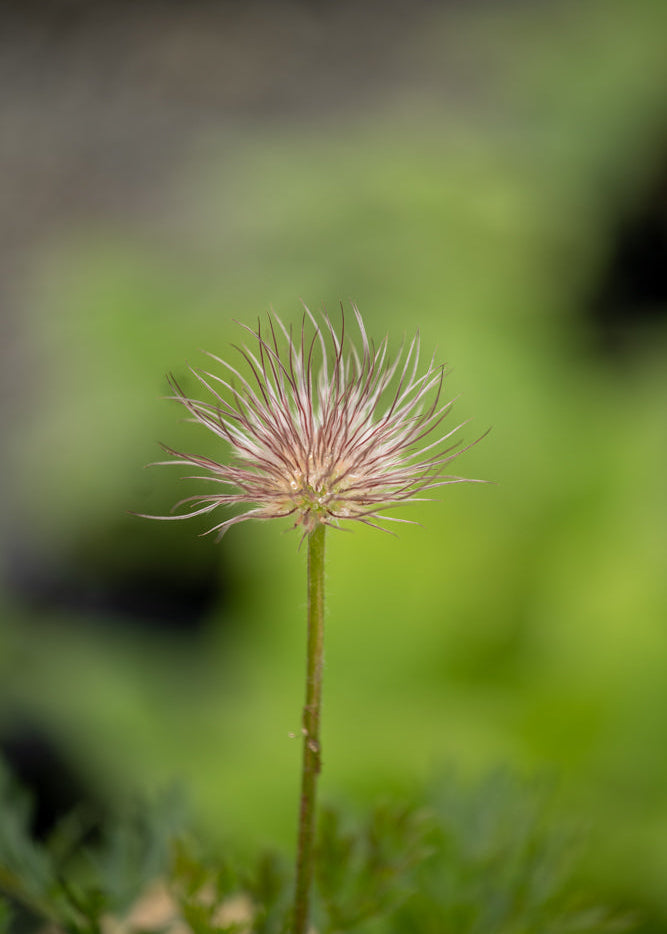
As the flowers fade, attractive feathery seed heads develop, extending the ornamental interest well into summer. Compact, hardy and easy to grow, Violet Bells is a wonderful choice for rock gardens, alpine plantings, cottage gardens and sunny borders.
Why You'll Love Pulsatilla Violet Bells
- Stunning violet-purple bell-shaped flowers
- One of the earliest spring-flowering perennials
- Attractive feathery seed heads after flowering
- Compact growth habit
- Excellent for rockeries and alpine gardens
- Highly frost hardy
- Pollinator friendly
- Low-maintenance and long-lived
- Expected 5 Year Height 0.5 M Width 0.5 M
Is Pulsatilla Violet Bells suitable for my garden?
Is Pulsatilla Violet Bells suitable for my garden?
Pulsatilla Violet Bells is best suited in a position that gets
- Partial shade
- Full sun
Pulsatilla Violet Bells is
- Perennial
- Flowering
- Drought resistant
- Drought resistant once established
- Winter Dormant
- Deciduous
- Coastal Friendly
Pulsatilla Violet Bells will thrive in soil that is
- Nutrient rich
- Free draining
How to establish your Pulsatilla Violet Bells?
How to establish your Pulsatilla Violet Bells?
Plant Pulsatilla Violet Bells in full sun to part shade.
For best results:
Full sun encourages stronger flowering.
Light afternoon shade is beneficial in warmer regions.
Choose an open position with good air circulation.
How to maintain your Pulsatilla Violet Bells once established?
How to maintain your Pulsatilla Violet Bells once established?
Water regularly during establishment.
Once established, Pulsatilla Violet Bells is relatively drought tolerant and generally only requires watering during prolonged dry periods.
Avoid excessive watering.
Pulsatillas are light feeders.
For healthy growth:
Apply compost lightly in spring.
Use a balanced slow-release fertiliser sparingly if required.
Avoid excessive feeding.
For a Tidy Appearance
Remove spent flowers before seed heads develop.
For Extended Interest
Leave the seed heads intact.
Enjoy the attractive feathery plumes through summer.
Many gardeners choose to leave the seed heads as they are highly ornamental.
Very little pruning is required.
Simply:
Remove old flower stems if desired.
Tidy away dead foliage in late winter.
Allow new growth to emerge naturally in spring.
Dividing Plants
Pulsatillas dislike disturbance and generally do not require frequent division.
For best performance:
Plant carefully in their permanent position.
Avoid lifting or moving mature plants unless necessary.
Pulsatilla Violet Bells is exceptionally frost hardy and performs well throughout New Zealand.
Winter care is minimal:
Ensure good drainage.
Remove old foliage if required.
Protect from winter waterlogging.
Growing in Containers
Pulsatilla grows very well in pots and alpine troughs.
For best results:
Use a premium free-draining potting mix.
Position in full sun.
Avoid overwatering.
Ensure containers drain freely.
Pulsatilla Violet Bells combines beautifully with:
Saxifraga Starblush
Iberis sempervirens
Armeria Ballerina White
Veronica Oxford Blue
Campanula Mrs Resholt
Festuca ovina glauca
Aubrieta
Dianthus
These companions create colourful spring displays packed with texture and seasonal interest.
Couldn't load pickup availability
Share