Ligularia Reniformis
Ligularia Reniformis
Tractor Seat Plant
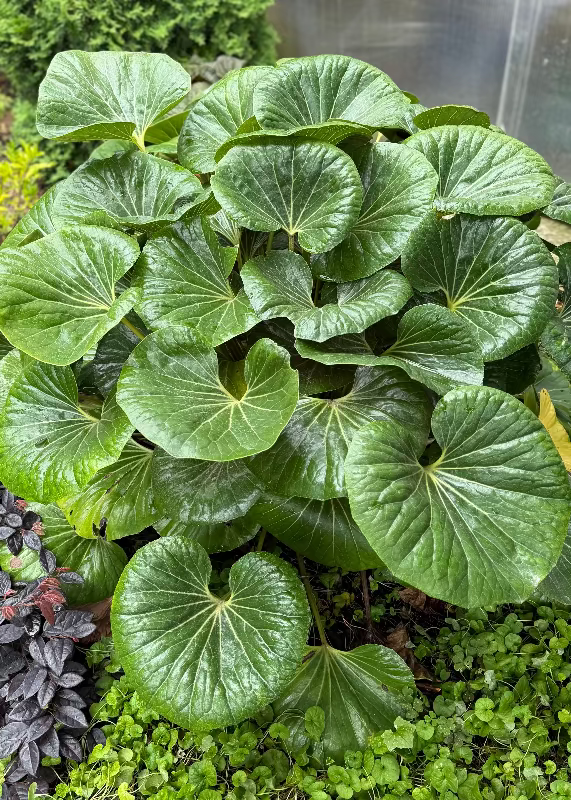
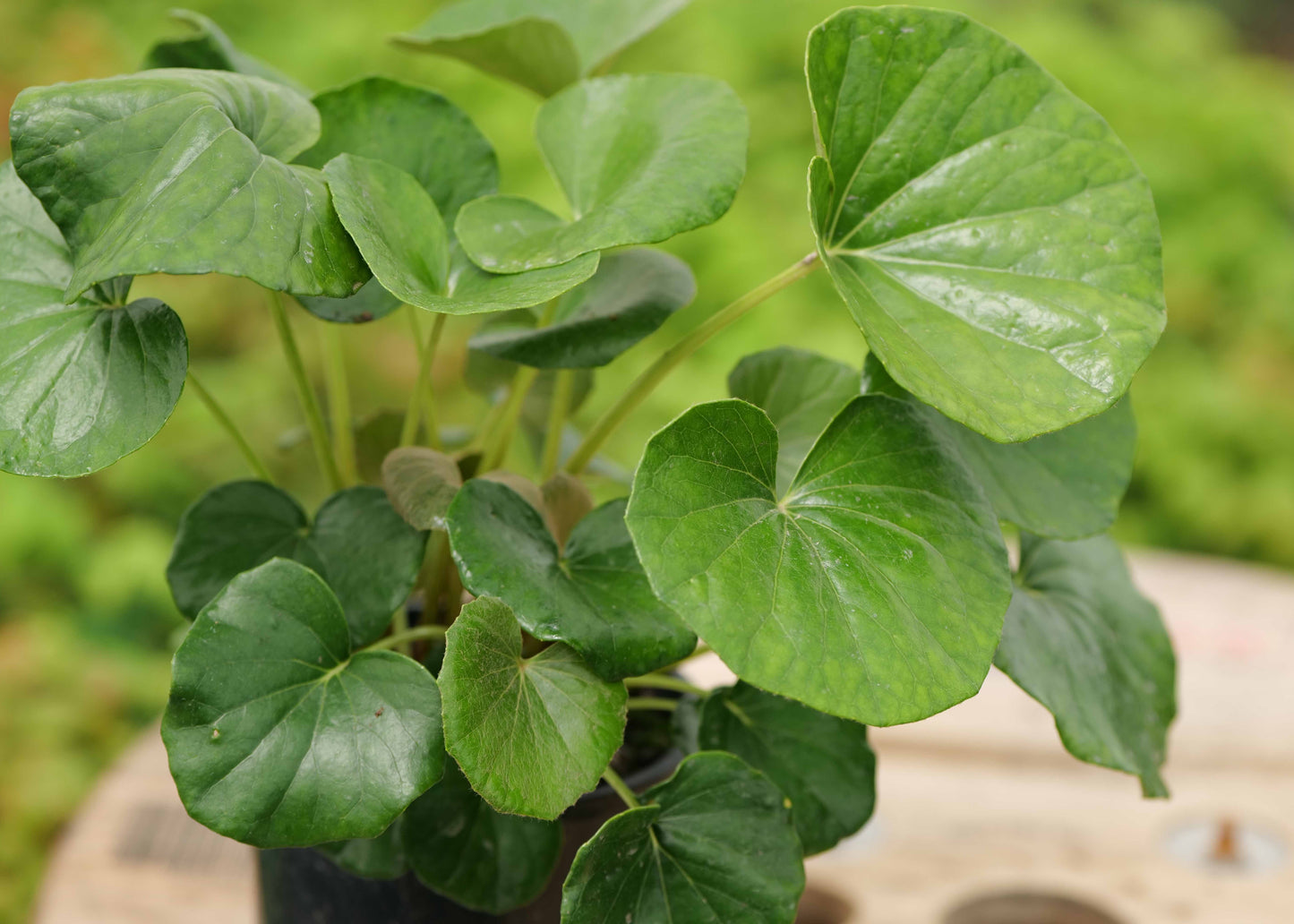
Ligularia reniformis, commonly known as the Tractor Seat Plant, is one of the boldest foliage plants you can add to a garden. Grown primarily for its enormous glossy green leaves, this striking perennial creates an instant tropical effect and adds dramatic texture to shady gardens, woodland settings and damp areas where many other plants struggle.
Native to moist woodland habitats in Asia, Ligularia reniformis thrives in rich, moisture-retentive soils and sheltered positions. Its large rounded leaves can reach impressive sizes, creating a lush, architectural appearance that makes it a standout feature in both traditional and contemporary landscapes.
If you're looking for a plant that delivers big impact with relatively little effort, the Tractor Seat Plant is hard to beat.
- Expected 5 Year Height 1.0 M Width 1.0 M
Is Ligularia Reniformis suitable for my garden?
Is Ligularia Reniformis suitable for my garden?
Ligularia Reniformis is best suited in a position that gets
- Partial shade
- Full sun
- Shade
Ligularia Reniformis is
- Flowering
- Winter Dormant
- Perennial
- Cold hardy
Ligularia Reniformis will thrive in soil that is
- Nutrient rich
How to establish your Ligularia Reniformis?
How to establish your Ligularia Reniformis?
Growing Conditions
Light Requirements
The ideal position is:
Part shade
Dappled woodland shade
Morning sun with afternoon shade
Avoid hot afternoon sun, particularly in warmer regions, as this can scorch foliage and cause wilting.
Soil Requirements
Ligularia reniformis thrives in:
Rich organic soils
Moisture-retentive soil
Compost-enriched garden beds
Woodland conditions
Before planting:
Incorporate compost and organic matter.
Improve moisture retention.
Avoid excessively dry or sandy sites.
How to maintain your Ligularia Reniformis once established?
How to maintain your Ligularia Reniformis once established?
Consistent moisture is the key to success.
Newly Planted
Water regularly during establishment.
Established Plants
Keep soil consistently moist, especially during warm weather.
If the plant becomes dry, leaves may wilt dramatically. Fortunately, they usually recover quickly once watered.
Ligularia is a relatively hungry plant and benefits from regular feeding.
For best results:
Apply compost annually.
Use a balanced slow-release fertiliser in spring.
Mulch with organic matter to improve soil health.
Mulching
A generous layer of mulch helps:
Retain moisture
Suppress weeds
Improve soil structure
Keep roots cool during summer
Compost, bark mulch and leaf mould all work well.
Maintenance is minimal.
Simply:
Remove old leaves as they fade.
Cut flower stems after flowering if desired.
Tidy dead foliage in late winter before new growth emerges.
Dividing Plants
Large clumps can be divided every few years to:
Rejuvenate older plants
Increase plant numbers
Control spread
Division is best carried out in spring or autumn.
Couldn't load pickup availability
Share