Lavender Pink Iceberg
Lavender Pink Iceberg
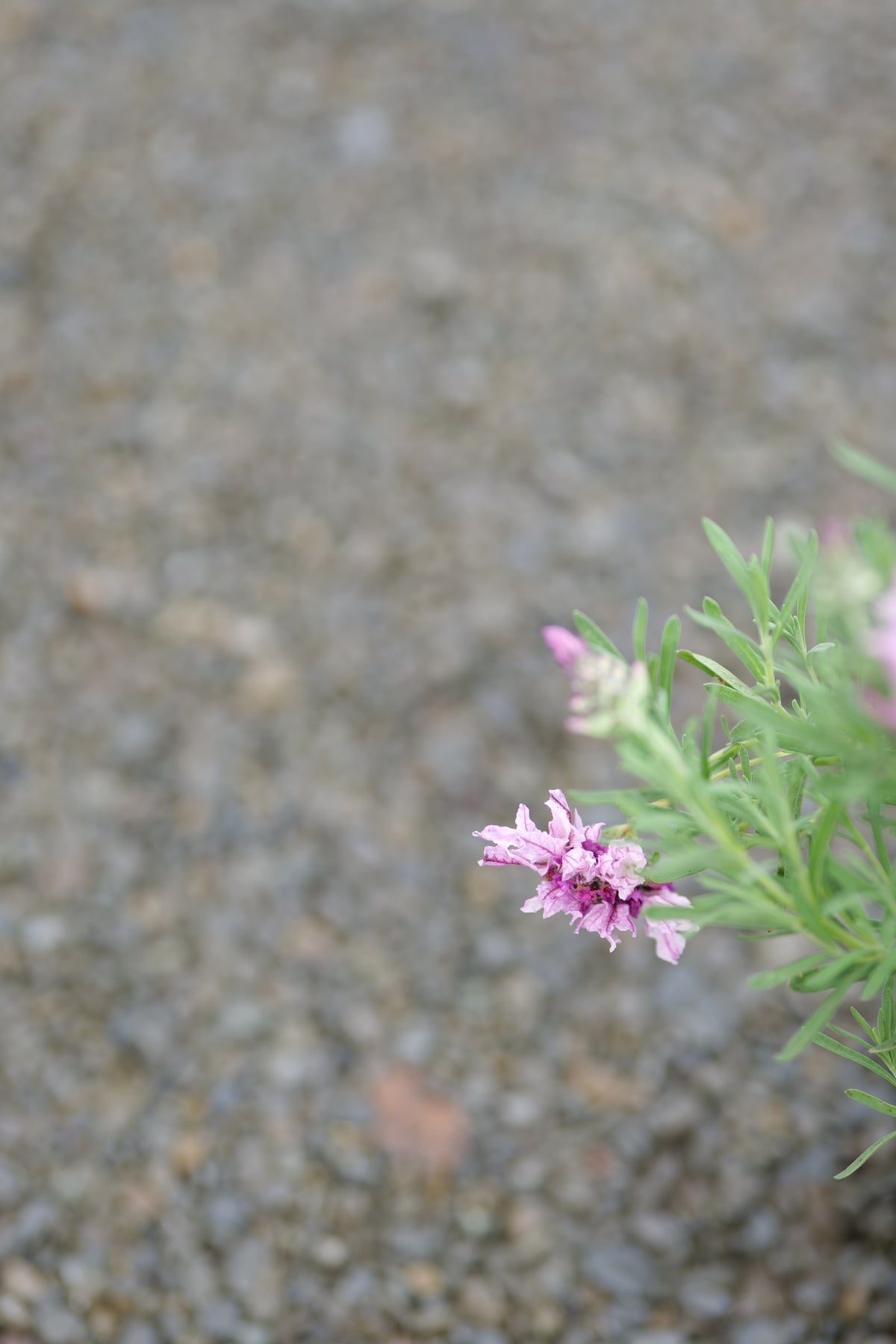
Lavender 'Pink Iceberg' (Lavandula angustifolia 'Iceberg') is a beautiful, compact English lavender producing masses of pale pink, fragrant flower spikes above attractive silver-grey foliage.
If you love lavender but aren't particularly keen on purple, Pink Iceberg might be just what you're looking for.
Its elegant pink flowers provide a softer alternative to traditional lavender varieties, making it particularly useful for cottage gardens, low hedging, borders, mass planting, Mediterranean-style gardens and containers.
Growing to approximately 50cm high and 50cm wide, Iceberg forms a naturally compact, bushy shrub that provides year-round structure and a beautiful summer flowering display.
It's also highly attractive to bees and other pollinating insects.
Hardy, fragrant, drought tolerant once established and relatively easy to maintain.
Not bad for something that looks this fancy.
Why You'll Love Lavender 'Pink Iceberg'
-
Beautiful pale pink flower spikes
-
Delightfully fragrant flowers and foliage
-
Compact, bushy growth habit
-
Attractive silver-grey evergreen foliage
-
Excellent for low hedging and borders
-
Perfect for cottage and Mediterranean-style gardens
-
Attracts bees and other pollinators
-
Excellent drought tolerance once established
-
Good frost tolerance
-
Suitable for containers
-
Great for mass planting
-
Relatively low maintenance with regular pruning
- Expected 5 Year Height 0.5 M Width 0.5 M
Is Lavender Pink Iceberg suitable for my garden?
Is Lavender Pink Iceberg suitable for my garden?
Lavender Pink Iceberg is best suited in a position that gets
- Full sun
Lavender Pink Iceberg is
- Fragrant
- Flowering
- Drought resistant once established
- Evergreen
Lavender Pink Iceberg will thrive in soil that is
- Nutrient rich
- Free draining
- Normal
How to establish your Lavender Pink Iceberg?
How to establish your Lavender Pink Iceberg?
Plant Lavender 'Iceberg' in full sun.
For the best flowering and strongest growth, choose a position receiving at least six hours of direct sunlight each day.
Lavender grown in too much shade often becomes open, leggy and produces fewer flowers.
For Canterbury gardens, Iceberg is particularly suited to:
Sunny borders
Raised garden beds
Rockeries
Gravel gardens
Courtyards
Warm, open planting areas
Good airflow is also important, particularly during damp winter weather.
How to maintain your Lavender Pink Iceberg once established?
How to maintain your Lavender Pink Iceberg once established?
Newly planted lavender: Water regularly while the root system establishes, allowing the soil surface to dry slightly between waterings.
Deep, occasional watering is generally preferable to frequent light watering.
Established lavender: Once established, Iceberg is highly drought tolerant and usually only requires additional watering during prolonged dry periods.
Overwatering is one of the most common causes of poor lavender performance.
Avoid keeping the soil constantly wet, particularly during winter.
Lavender generally performs best when the crown remains relatively dry.
Rather than applying thick, moisture-retentive organic mulch around the base, consider using:
Fine gravel
Decorative stone
Small pebbles
These materials help keep the crown drier and can reduce the risk of rot.
Avoid piling mulch directly against the woody stems.
Lavender 'Iceberg' doesn't require heavy feeding.
In fact, excessive fertiliser can encourage soft, leafy growth at the expense of flowers.
For best results:
Apply a light dressing of compost in spring if required.
Use a low-nitrogen fertiliser sparingly.
Avoid excessive feeding.
Don't add large quantities of rich manure around established plants.
Lavender is quite happy growing in relatively lean soil.
Sometimes less really is more.
Regular pruning is the secret to keeping Lavender 'Iceberg' compact, bushy and attractive.
Without pruning, lavender can gradually become woody, open and untidy.
The best time for the main trim is after flowering, generally in late summer.
To maintain a tidy shape:
Remove the spent flower stems.
Trim approximately one-quarter to one-third of the season's leafy growth.
Maintain a rounded, compact shape.
Leave healthy green foliage below your cuts.
Avoid cutting severely into old, bare woody stems.
Lavender often struggles to regenerate from old wood.
A little haircut every year is much better than waiting five years and then attempting major surgery.
Should Lavender Be Pruned in Winter?
For Canterbury gardens, avoid severe pruning during the coldest part of winter.
Heavy pruning can expose older stems to frost and encourage vulnerable new growth.
If your plant needs tidying after winter, wait until spring temperatures begin to improve.
The main shaping prune is generally best carried out after flowering while conditions are still warm enough for recovery.
Lavender 'Iceberg' has good frost tolerance and is well suited to many Canterbury gardens.
However, cold, wet soil is often more damaging than frost itself.
To help plants survive winter:
Ensure excellent drainage.
Avoid waterlogged planting positions.
Maintain good airflow.
Avoid heavy winter pruning.
Keep thick, wet mulch away from the crown.
Established plants generally cope well with normal winter frosts when grown in suitable conditions.
Lavender is naturally adapted to sunny, relatively dry conditions, making it a useful plant for Canterbury gardens.
Once established, Iceberg can tolerate periods of hot, dry weather and moderate wind exposure.
However, newly planted lavender will still require regular watering during hot nor'west conditions.
Maintain adequate moisture while plants establish, then gradually reduce watering as the root system develops.
Lavender 'Iceberg' is generally relatively trouble-free when grown in suitable conditions.
Occasional problems include:
Root rot in poorly drained soil
Woody, open growth from insufficient pruning
Aphids on soft new shoots
Spittlebugs
Fungal problems where airflow is poor
Good drainage, full sun and regular pruning will help prevent most common issues.
Lavender 'Iceberg' is an excellent choice for pots and containers.
Its compact habit and attractive white flowers make it particularly useful for:
Courtyards
Patios
Entrance planting
Outdoor seating areas
Mediterranean-style container displays
For best results:
Use a quality free-draining potting mix.
Ensure the container has adequate drainage holes.
Position in full sun.
Allow the potting mix to dry slightly between waterings.
Avoid leaving containers standing in water.
Trim after flowering to maintain shape.
Container-grown lavender will require more regular watering than established plants growing in the garden.
Low Hedging and Planting Spacing
Lavender 'Iceberg' makes a beautiful low flowering hedge.
Its compact growth habit is ideal for edging pathways, framing garden beds or creating repeated planting along borders.
Recommended spacing:
Low continuous hedge: Plant approximately 35–40cm apart.
Mass planting: Plant approximately 40–50cm apart.
Individual feature plants: Allow approximately 50cm between plants.
For the best results, lightly prune each year to maintain a compact, bushy shape.
A row of white flowering lavender creates a particularly elegant effect, especially alongside gravel paths or pale paving.
Couldn't load pickup availability
Share