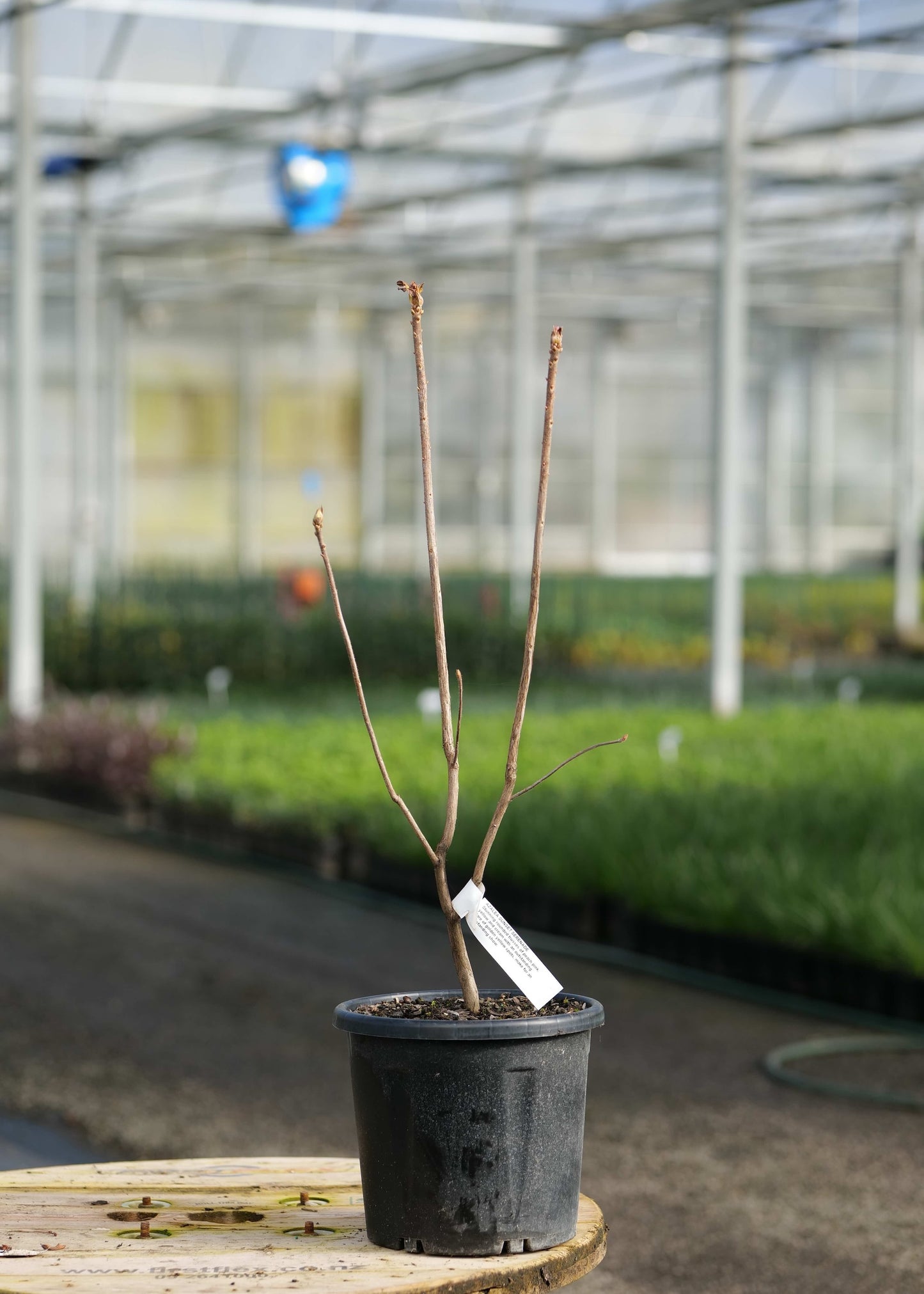
Azalea Sunset Serenade
Azalea Sunset Serenade
Sunset Serenade Deciduous Azalea
Azalea 'Sunset Serenade' is a breathtaking deciduous azalea that bursts into bloom in spring with masses of vibrant sunset-coloured flowers in glowing shades of orange, apricot, coral and soft gold. Flowering before or just as the fresh foliage emerges, it creates a spectacular display that captures the warmth and brilliance of a summer sunset.
After flowering, fresh green foliage provides a lush backdrop through the warmer months before transforming into brilliant shades of orange, scarlet and crimson in autumn. Hardy, easy to grow and full of seasonal interest, 'Sunset Serenade' is a standout choice for woodland gardens, cottage gardens and mixed shrub borders throughout New Zealand.
Why You'll Love Azalea 'Sunset Serenade'
- Stunning sunset-toned flowers in shades of orange, apricot and coral
- Large, showy spring blooms
- Lightly fragrant flowers
- Spectacular autumn foliage colour
- Naturally rounded, bushy habit
- Hardy and easy to grow
- Attracts bees and other beneficial pollinators
- Perfect for woodland and cottage gardens
- Expected 5 Year Height 1.5 M Width 1.5 M
Is Azalea Sunset Serenade suitable for my garden?
Is Azalea Sunset Serenade suitable for my garden?
Azalea Sunset Serenade is best suited in a position that gets
- Full sun
- Partial shade
Azalea Sunset Serenade is
- Deciduous
Azalea Sunset Serenade will thrive in soil that is
- Acidic
- Free draining
- Nutrient rich
How to establish your Azalea Sunset Serenade?
How to establish your Azalea Sunset Serenade?
Plant Azalea 'Sunset Serenade' in full sun to part shade.
For the best flowering:
Morning sun with afternoon shade is ideal.
Full sun is suitable in cooler regions of New Zealand.
Protect from hot afternoon sun and drying winds in warmer climates.
How to maintain your Azalea Sunset Serenade once established?
How to maintain your Azalea Sunset Serenade once established?
Azaleas perform best in acidic, free-draining soils rich in organic matter.
For healthy growth:
Maintain a soil pH between 4.5 and 6.0.
Improve the soil with composted pine bark, leaf mould or compost before planting.
Ensure excellent drainage.
Mulch annually with pine bark to retain moisture and maintain soil acidity.
Avoid lime and alkaline fertilisers.
Water regularly during the first year while the root system establishes.
Established Plants
Keep the soil consistently moist, particularly:
During prolonged dry periods.
Throughout summer while flower buds are developing.
During hot, windy weather.
Avoid allowing the soil to dry out completely or remain waterlogged.
Feed each spring after flowering with a fertiliser formulated for rhododendrons and azaleas.
For continued health:
Apply compost or well-rotted organic matter around the base.
Refresh the mulch annually.
Avoid excessive nitrogen, which encourages leafy growth at the expense of flowers.
Very little pruning is required.
After flowering:
Remove dead, damaged or crossing branches.
Lightly shape if required.
Prune immediately after flowering to preserve next season's flower buds.
As a deciduous azalea, 'Sunset Serenade' naturally sheds its leaves after displaying brilliant autumn colour.
During winter:
Apply a fresh layer of mulch around the root zone.
Remove any dead wood if necessary.
Allow the plant to rest before spring growth begins.
Frost and Climate
Azalea 'Sunset Serenade' is highly frost hardy and well suited to gardens throughout New Zealand.
Established plants tolerate cold winters extremely well, although late spring frosts may occasionally damage open flowers.
Azalea 'Sunset Serenade' is generally healthy and trouble free when planted in suitable conditions.
For best results:
Plant in well-drained soil.
Maintain even soil moisture.
Ensure good airflow around the shrub.
Remove damaged foliage if required.
Serious pest and disease issues are uncommon.
Landscape Uses
Azalea 'Sunset Serenade' is ideal for:
Woodland gardens
Cottage gardens
Mixed shrub borders
Feature planting
Seasonal colour displays
Underplanting beneath deciduous trees
Mass planting
Its warm flower tones are especially effective when combined with contrasting whites, purples and rich burgundy foliage.
Couldn't load pickup availability
Share