Rhododendron Hinoki
Rhododendron Hinoki
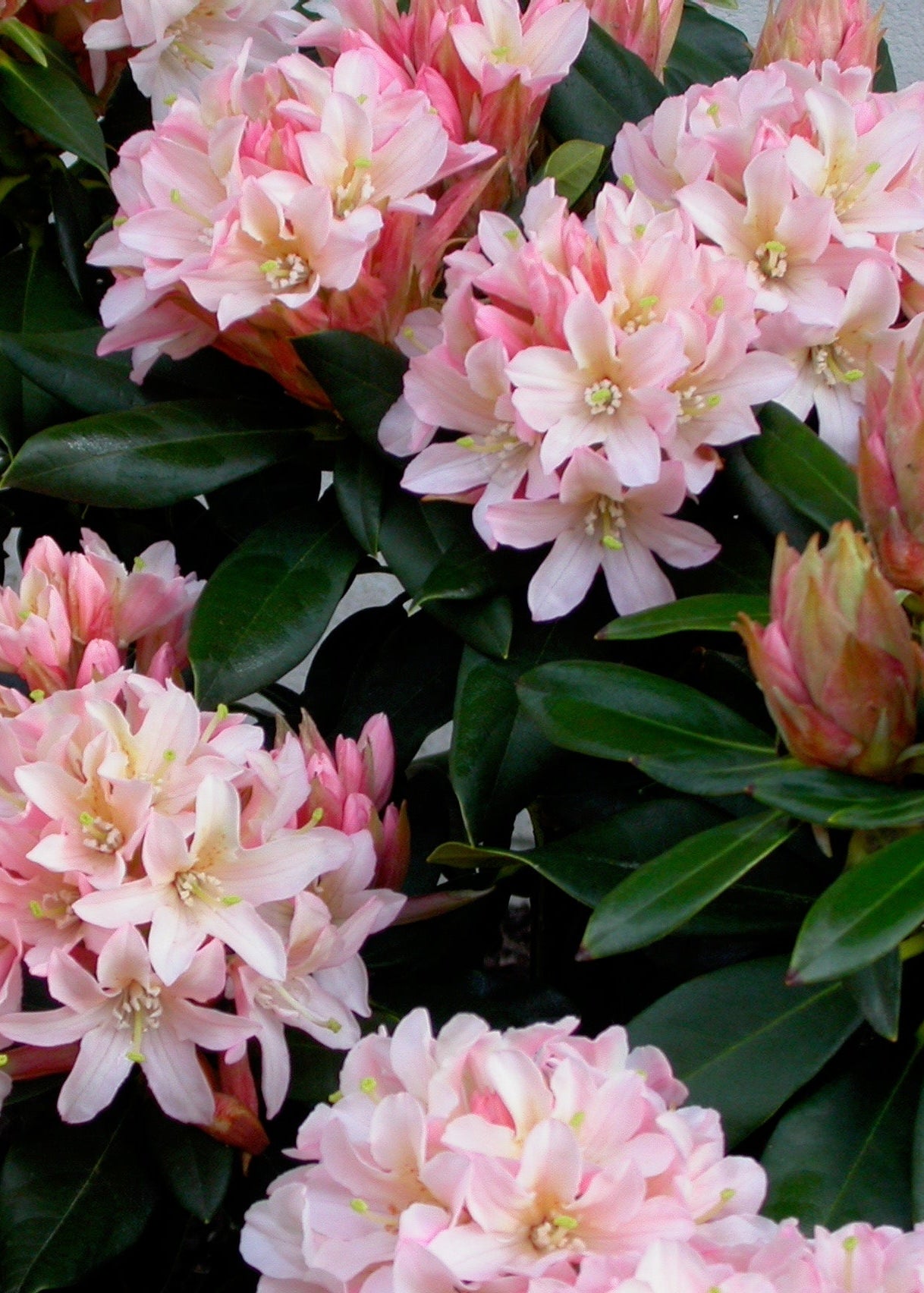
Rhododendron ‘Hinoki’ is a compact, evergreen rhodo that earns its place in a “pretty-but-practical” garden. In spring it carries pale pink, star-shaped flowers with apricot and yellow tones in the throat, plus a prominent waxy calyx that gives the blooms a slightly sculpted look up close. It’s a tidy grower, typically around 1.2m tall after 10 years, making it a great choice where you want colour without a giant shrub taking over.
- Expected 5 Year Height 1.2 M Width 1.2 M
Is Rhododendron Hinoki suitable for my garden?
Is Rhododendron Hinoki suitable for my garden?
Rhododendron Hinoki is best suited in a position that gets
- Partial shade
Rhododendron Hinoki is
- Evergreen
- Flowering
Rhododendron Hinoki will thrive in soil that is
- Acidic
- Normal
- Free draining
- Nutrient rich
How to establish your Rhododendron Hinoki?
How to establish your Rhododendron Hinoki?
Position: Give Rhododendron ‘Hinoki’ dappled shade or morning sun, sheltered from harsh afternoon sun and drying winds (especially in exposed South Island sites).
Soil: Rhodos love acidic, humus-rich, free-draining soil. If you’ve got heavy clay, build a raised planting area and use bark/leaf mould to open it up. Aim for a slightly acidic pH (around 4.5–6 is often recommended).
Planting: Keep the rootball slightly proud of ground level (shallow-rooted plants hate being buried). Water in well.
Watering (first year): Deep water during dry spells—steady moisture helps buds and new growth settle in without stress.
Mulch: Mulch with pine bark (5–8cm) to keep roots cool and evenly moist; keep mulch off the main stem.
How to maintain your Rhododendron Hinoki once established?
How to maintain your Rhododendron Hinoki once established?
Deadhead after flowering: Snip off spent trusses once the flowers fade to keep it tidy and help focus energy into next season’s buds.
Pruning: If you need to shape Rhododendron ‘Hinoki’, do it straight after flowering (late spring). Light trims are usually all it needs.
Feeding: In early spring, use a slow-release fertiliser for acid-lovers (camellia/azalea/rhododendron fertiliser). Avoid heavy feeding with lawn fertiliser.
Troubleshooting:
Yellowing leaves can mean soil is too alkaline or roots are staying too wet.
Leaf scorch in winter is often wind + sun + cold combined—shelter and mulch make a big difference.
Couldn't load pickup availability
Share